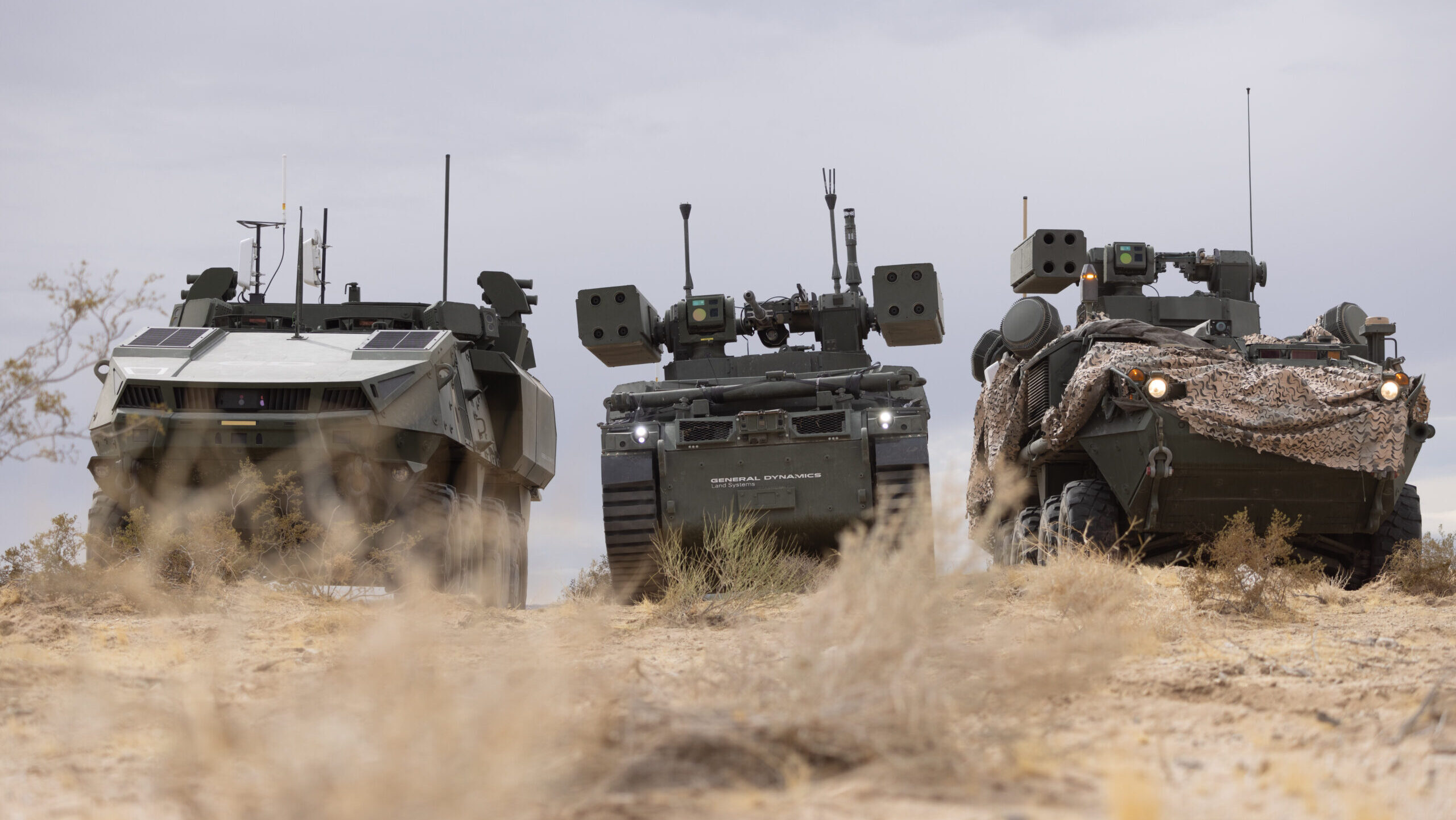
The next Army chief won’t inherit a force, he’ll inherit an argument
The next Army chief needs to show that land power is still vital and relevant for modern warfare that's heavily focused on drones, writes John G. Ferrari in this op-ed.
The next Army chief needs to show that land power is still vital and relevant for modern warfare that's heavily focused on drones, writes John G. Ferrari in this op-ed.
Daniel Driscoll, the 26th Secretary of the Army, is tasked with staffing, equipping and training the largest branch of the military.

There is no single answer to the drone threat, pushing the Pentagon toward a broader mix of defenses.

“This was a really, really worthwhile experiment out here. … What we don't want to do is just continue to do something just because we want to continue to do it,” Gen. Randy George told Breaking Defense.
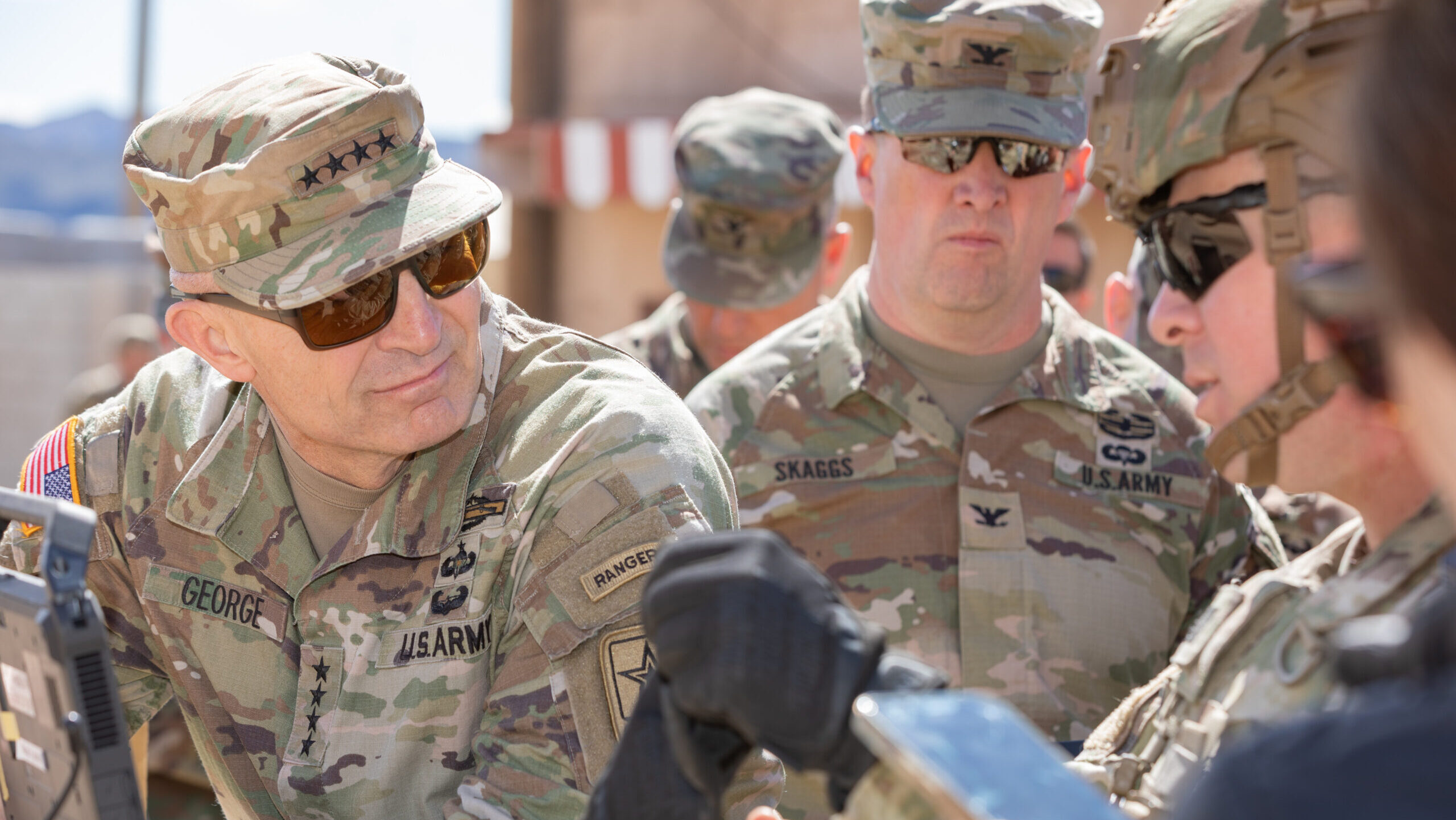
As the Army heads into the new year, it will be greeted with questions about weapon affordability and ways to carve out efficiencies.

“We're actually getting [soldiers] involved in how we're helping to design the force….My view is that we are going to see a lot of refinements from the field that will really help us figure out how we need to adjust," said Army Chief Randy George.

Gain insights into what the change means for the community and what the new leaders are looking for from industry in our latest eBook.


"Being able to tell the commander you don't need to do something is actually a pretty powerful message, as well."
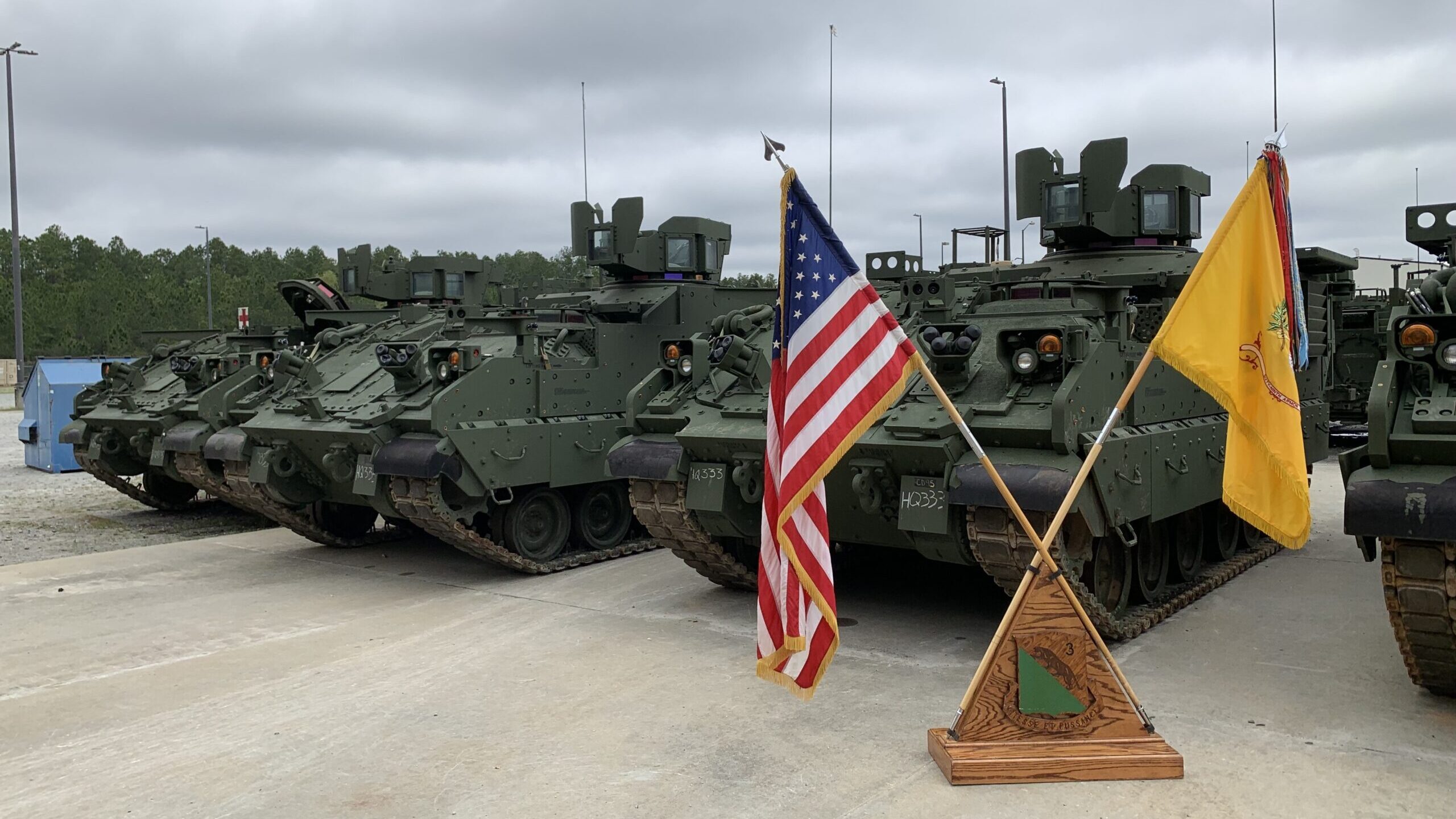
If approved, the US Army will lean on BAE Systems to ramp up production from 12 vehicles per month to 16 over the next two years.
“We're very confident that [in] FY24 we're able to maintain the investments that we need in order to deliver the modernization strategy that we've set forth,” Undersecretary of the Army Gabe Camarillo.

“I feel really good about the product we're sending to Congress. Now, is it perfect? No… important trades had to be made,” Army acquisition head Douglas Bush said today.

AEI's John Ferrari asks five important questions that the Army needs to answer before committing to high-dollar procurments during its modernization push.

AI is reshaping the Army’s approach to cyber, electronic warfare and command and control. At TechNet Augusta 2026, leaders outlined how they’re turning emerging technology into capabilities for the battlefield.

"The evolution of OWT shows how 3D terrain and information services are becoming essential tools for planning and decision-making not just for the U.S. Army but for a wide range of military, civil and commercial institutions," Maxar's Tony Frazier said.

Congress must stop shortchanging the Army budget, especially modernization, so it can play its proper role in the Indo-Pacific and worldwide, writes the former chief of US Army Pacific.
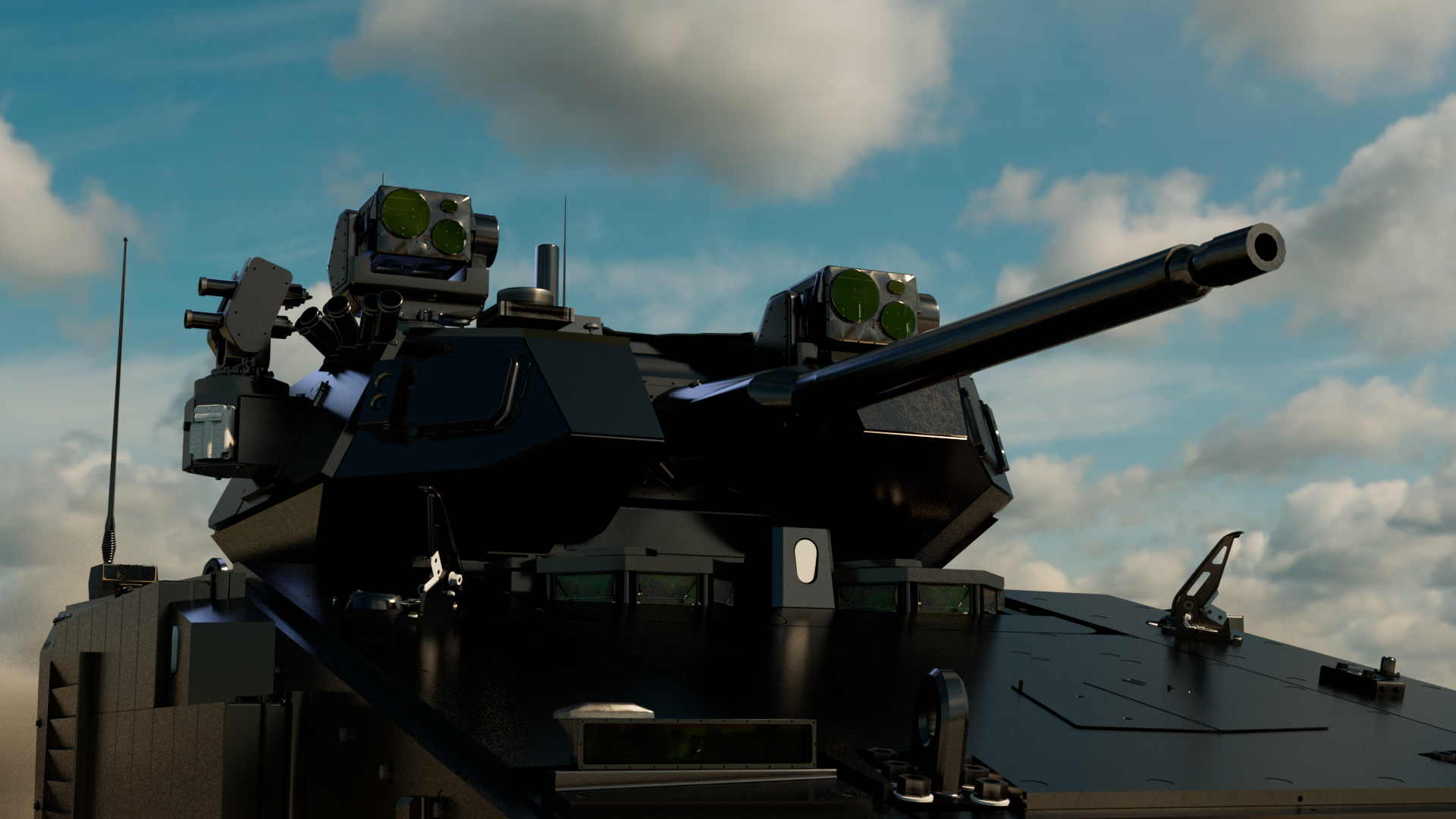
The Army may spin off a procurement track solely for software development — in parallel to physical production — in hopes of hastening the "cadence" of essential digital upgrades to OMFV, officials told Breaking Defense.

“[We’re] trying to to mirror what it would be like to deploy into an austere environment, from fort-to-port, and then generate combat power on a foreign soil.”